
Modular home on a plot: what legal nuances to consider
A modular home attracts with its speed of construction, reasonable price, and the feeling that from a legal standpoint, everything will be simpler than with a classic brick or block house. But here lies a common mistake: many plot owners believe that if a house is brought in ready-made blocks and simply installed on the site, then legally it seems to "not exist" and documents can be bypassed. In practice, everything depends on the design, the installation method, and how exactly you plan to use the object. Below we will analyze step by step what documents are actually needed, when a modular home becomes a capital structure, and why a careless attitude to paperwork can turn into serious problems after moving in.
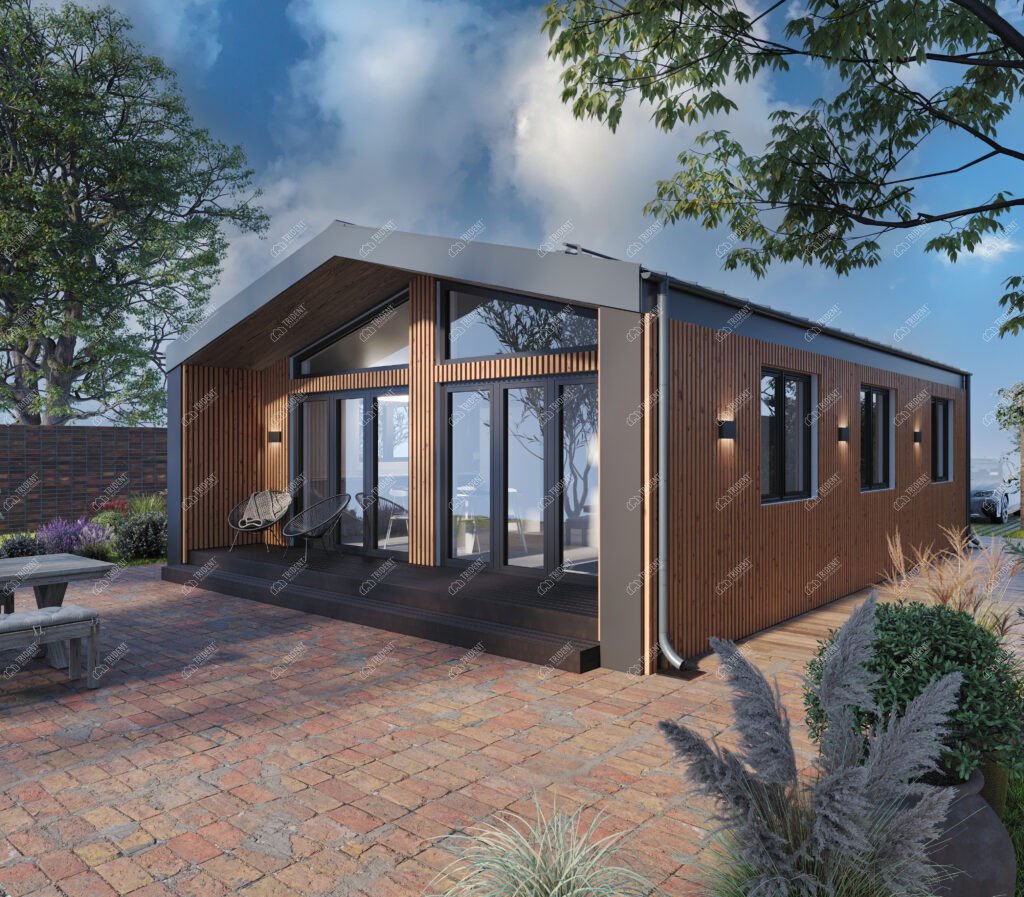
Do you need to register a modular home: a capital or temporary structure
The first question to clarify at the planning stage is the status of your house. The legislation distinguishes between temporary structures and capital construction objects, and the difference between them is fundamental. If the house stands on ground screws, metal supports, or light blocks that allow it to be dismantled or moved without destroying the structure, it most likely falls under the category of a temporary structure. Such objects usually do not require full registration, although local regulations may require a separate placement permit.
A different situation is when a modular home is installed on a monolithic or strip foundation, connected to stationary utilities, and intended for permanent residence. In this case, we are talking about a capital object, and the question of whether a modular home needs to be registered is definitely answered positively. You should focus on several criteria: the presence of a foundation, the possibility of physical relocation without dismantling, connection to permanent water and power supply networks, as well as the intention to register your residence or officially own the real estate. If at least two or three of these points apply to you, you have a capital structure, and you will have to go through the full legalization process.
Land plot documents as a starting point
Before thinking about the house itself, you need to sort out the land plot. A modular home can only be legally placed on a plot if you have a confirmed right to this land — ownership, lease, or superficies. Without a valid legal title, any further steps will make no sense, because the authority issuing permits checks this specific point first.
Equally important is the designated purpose (target land use) of the land. The plot must be designated for the construction and maintenance of a residential building, estate development, or at least for personal farming with the possibility of erecting a residential structure. If the land's purpose does not match your plans, you will either have to change the designated purpose through appropriate procedures or abandon the idea of a capital home on this plot. Extracts from the State Land Cadastre and the State Register of Property Rights to Real Estate help verify the current state of affairs — these documents show the boundaries of the plot, its cadastral number, designated purpose, and the presence of any encumbrances or arrests you should know about in advance.
Building passport for a modular home: what is it and why is it needed
For most small residential objects, in particular single-family homes up to two stories, Ukrainian legislation provides a simplified procedure via a building passport. A building passport for a modular home is a document that determines exactly where on the plot the structure can be placed, what setbacks from the borders must be maintained, and what height and building area are allowed. In fact, this is a technical assignment from urban planning authorities that protects you from future conflicts with neighbors or claims regarding standard violations.
You can issue a building passport through the Diia app or by personally applying to the ASC (Administrative Service Centre / CNAP) at the plot's location. The procedure involves submitting a scheme of construction intentions through the Unified State Electronic System in the Construction Sector, after which the passport itself is issued within a set period. The cost and processing time depend on the region and the workload of the permitting authorities, so it is better to check specific figures right before submitting the documents — regulations in this area are periodically updated, and what was valid last year may no longer meet current requirements.
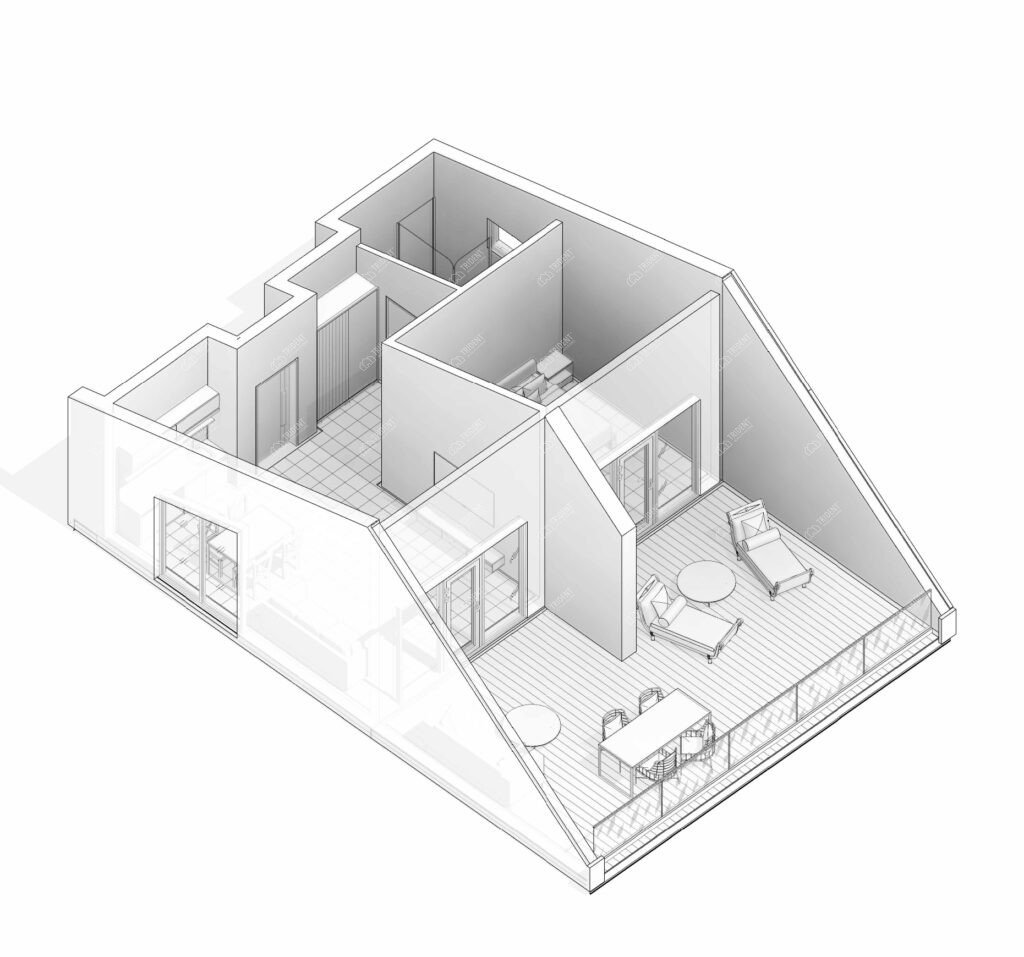
Permit for installing a modular home: is it always needed
A common myth among plot owners sounds something like this: "a modular home is not a capital construction, so permits are not needed at all." This only works for truly temporary structures without a foundation or utility connections. However, if you are building a full-fledged residential house, even a modular one, you will need a permit for installing the modular home in one form or another.
Here it is important to understand the difference between consequence classes. Class CC1 objects, which include the majority of small single-family private houses, go through a simplified procedure of notifying about the start of construction works based on a building passport. But class CC2 and CC3 objects are more complex structures with a larger area, number of floors, or purpose, and they require a full-fledged permit for construction works with project documentation and expertise. A medium-sized modular home for a single family mostly falls into the CC1 category, but this should be checked individually, depending on the parameters of the specific project.
Commissioning a modular home and the declaration of readiness
When the house is built, the paperwork doesn't end; on the contrary, one of the most important stages begins. Commissioning a modular home officially confirms that the structure complies with the standards and is fit for habitation. To do this, first, a technical passport is ordered through the BTI (Bureau of Technical Inventory) or a certified technical inventory engineer, who records the actual parameters of the house: area, number of rooms, and construction materials.
Next, a declaration of the house's readiness for operation is issued. This document is registered through the Diia app or ASC, and from the moment of registration, the house is officially considered a completed construction object. Without this declaration, the owner faces a number of restrictions: it is impossible to legally connect gas, electricity, or water from suppliers, it is impossible to sell or gift the house because a notary will simply not execute the deal, and it is impossible to register one's residence at this address. That is, the house exists physically, but legally it seems not to exist, which creates a lot of problems in the future, from bank lending to inheritance issues.
Registration of a modular home in Ukraine: address and property rights
After registering the declaration of readiness, comes the stage of assigning an address to the real estate object — this is handled by the local council or the relevant executive body at the plot's location. An address is needed not only for convenience but also for subsequent state registration.
The registration of a modular home in Ukraine is completed by entering a record of ownership rights into the State Register of Property Rights to Real Estate. This very record is the final legal confirmation that the house belongs to you on legal grounds. Having a registered property right, you get the opportunity to freely dispose of the real estate: sell, gift, pass on by inheritance, use it as collateral for a loan, as well as officially register your residence and connect all necessary utilities without worrying about the legality of such actions.
How to register a modular home: a step-by-step algorithm
To navigate the sequence of actions, it is convenient to break the entire process down into specific steps:
- Verify and, if necessary, draw up title documents for the land plot, including extracts from the State Land Cadastre and the State Register of Property Rights
- Clarify the designated purpose of the land and ensure it allows for residential development.
- Determine the consequence class of the future home and choose the appropriate procedure — a simplified one through a building passport or a full one with project documentation.
- Obtain a building passport via the Diia app or ASC (CNAP) by submitting a scheme of construction intentions.
- Submit a notification on the start of construction works and complete the erection of the house according to the approved parameters.
- Order a technical passport through the BTI and register a declaration of the object's readiness for operation.
- Obtain an address and register property rights for the house in the State Register of Property Rights to Real Estate.
Common mistakes and risks during legalization
The most common mistake is a conscious attempt to pass off a capital house as a temporary structure to avoid permit procedures. This only works until the first inspection or until the owner decides to sell the real estate or connect utilities officially; then, they will have to go through the entire legalization process all over again, often with financial penalties in accordance with current legislation.
The second typical mistake is saving money on a building passport or ignoring the need to issue it, which later complicates the commissioning of the house, as the parameters of the actual building may not meet the standards. A third problem is moving into the house before registering the declaration of readiness, where people actually live in an object that legally does not exist. A fourth mistake is neglecting to check the designated purpose of the land plot at the purchasing stage, which later creates obstacles for any official construction. That is why at Trident Modular Housing, clients receive a consultation on the status of the future object and the required documents as early as the design stage, which helps avoid these typical traps in advance.
FAQ
Do I need to register a modular home if it's on a temporary basis? If the house is installed without a foundation, on light supports or blocks, and it can be dismantled or moved without destruction, registration is usually not mandatory. However, you should check the requirements of the local community, as placing temporary structures elsewhere may still require a separate permit.
How much does a building passport for a modular home cost? The cost depends on the region, the area of the plot, and the tariffs of a specific ASC or design organization, so it is better to clarify the exact amount directly before processing. In general, this procedure is one of the most affordable among construction permits.
What documents are needed for commissioning a modular home? You will need a technical passport from the BTI, a registered declaration of the object's readiness for operation, as well as documents confirming your right to the land plot and the construction's compliance with the previously obtained building passport. All these documents are submitted via the Diia app or ASC.
Can I get registered (propiska) in a modular home? Yes, but only on the condition that the house has been officially commissioned, an address has been assigned to it, and property ownership is registered in the state register. Without these steps, official residence registration is legally impossible, even if you actually live in the house.
How long does the paperwork take from the start to the registration of property rights? The total timeframe depends on the speed of collecting land documents, obtaining a building passport, and subsequent construction. However, the permitting part itself under the simplified procedure for CC1 class objects usually takes from a few weeks to a couple of months. The registration of the declaration of readiness and property rights after construction is completed much faster.